According to IEA fossil fuel demand will peak soon because of the global shift to clean energy

The Role of International Cooperation for Clean Energy Transitions in the Accelerating Acceleration of Global Warming and the Rise of New Natural Gas Exports
“International cooperation is crucial for clean energy transitions because eachcountry needs to find its own path,” he says. “In particular, the speed at which emissions decline will hinge in large part on our ability to finance sustainable solutions to meet rising energy demand from the world’s fast growing economies.”
The IEA is projecting an “unprecedented surge” of new natural gas export projects, including those in the U.S. The agency says that will ease price and gas supply concerns traced to Russia’s decision to cut gas supplies to Europe after its invasion of Ukraine.
“The only way out of climate disaster is for oil and gas to peak immediately and decline rapidly,” says Kelly Trout, research director at Oil Change International. “This year’s World Energy Outlook underscores that we can’t solve the climate crisis by adding renewable energy on top of new fossil fuels.”
The report warns the pace of transition will have to quicken considerably in order to limit global warming to 1.5 degrees Celsius, or 2.7 degrees Fahrenheit, and avoid some of the worst case scenarios in a changing climate.
The International Energy Agency (IEA) Report on the 2030s: shoring up an energy system to protect the world’s power grids
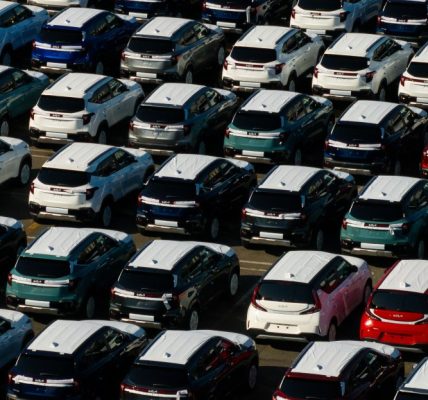
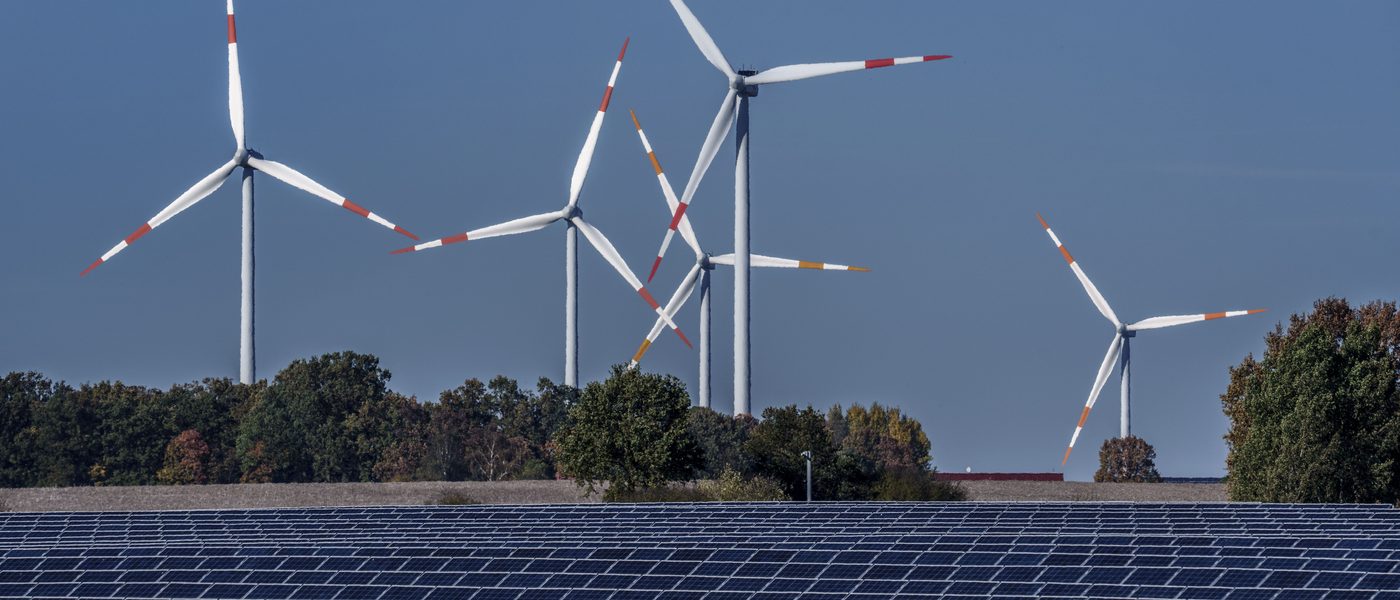
The annual IEA report estimates that in 2030 there will be 10 times as many electric vehicles on the road worldwide and 50% of the cars sold in the United States will be electric. The agency says solar panels installed across the globe will generate more electricity at the end of the decade than the U.S. power system produces now. The report predicts thatrenewable energy will give 50% of the world’s electricity needs, up from about 30% now.
That’s the picture the International Energy Agency (IEA) paints in the World Energy Outlook it published today, which is based on governments’ current energy policies. The 1970s oil crisis made it necessary for the IEA to be established. shoring up an energy system is necessary in order to prevent more extreme climate change as disasters caused by climate change threaten global power grids.
That news is good news for policymakers who are trying to cut greenhouse gas emissions. The Paris agreement commits nearly 200 countries to work together to limit global warming to 1.5 degrees Celsius above the preindustrial era. It’s a goal that would prevent flooding, heatwaves, fires, and other climate-related catastrophes from growing much worse.
A global deal to phase out fossil fuels may be on the table when world leaders meet in December for a United Nations climate summit. The Union of Concerned Scientists policy director and lead economist said that a fast, fair phase out of fossil fuels and a massive ramp up of renewable energy and energy efficiency is needed.