The fight against inflation isn’t over yet, despite the steady interest rates held by the Fed

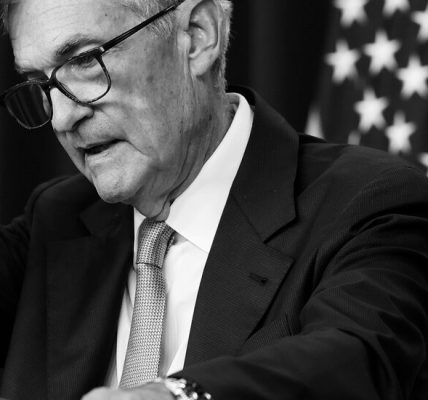
Fed Chairman’s Meeting: “The Fed’s Lags with which we’ve Been Tuning into Economic Activity and Inflation”
The Fed is satisfied to play wait and see at the moment. The effects of earlier rate hikes are still being felt. Policymakers said in a statement they would consider “the lags with which monetary policy affects economic activity and inflation” in deciding whether additional rate hikes are necessary.
policymakers held their rates steady for the second meeting in a row, following aggressive increases over the last year and a half.
Prices are still climbing faster than the Fed’s target of 2% per year but inflation has fallen since hitting a four decade high last summer.
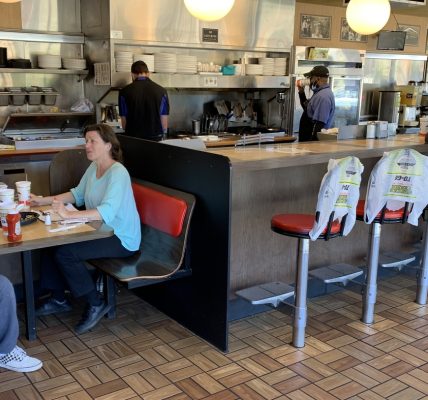
Consumers are still spending freely on things like cars, restaurant meals and Taylor Swift concert tickets despite rising borrowing costs. The country’s economy grew at an annual rate of 4.9% in the July, August and September period, with a lot of that growth driven by personal spending. The Fed noted that “strong” pace of growth in announcing its decision.
“The rise in long-term rates has done some of the Fed’s dirty work for them,” McBride said. “They can afford to sit back and not raise short-term interest rates at this point because the move up in long-term rates has been so pronounced, and it has the effect of reducing demand in the economy.”
The tight job market puts upward pressure on wages. The Labor Department reported Tuesday that the cost for wages and salaries rose in the last twelve months. While that’s a smaller increase than the previous year, it’s likely to keep prices climbing faster than the Fed’s 2% target.
Long-term borrowing costs have gone up in the last year as a result of the Fed raising short-term interest rates. The average cost of a 30-year home mortgage, for example, is now 7.79% according to Freddie Mac — the highest since 2000.
Since March of last year, the Fed has raised its benchmark rate eleven times, pushing it to its highest level in over 20 years.
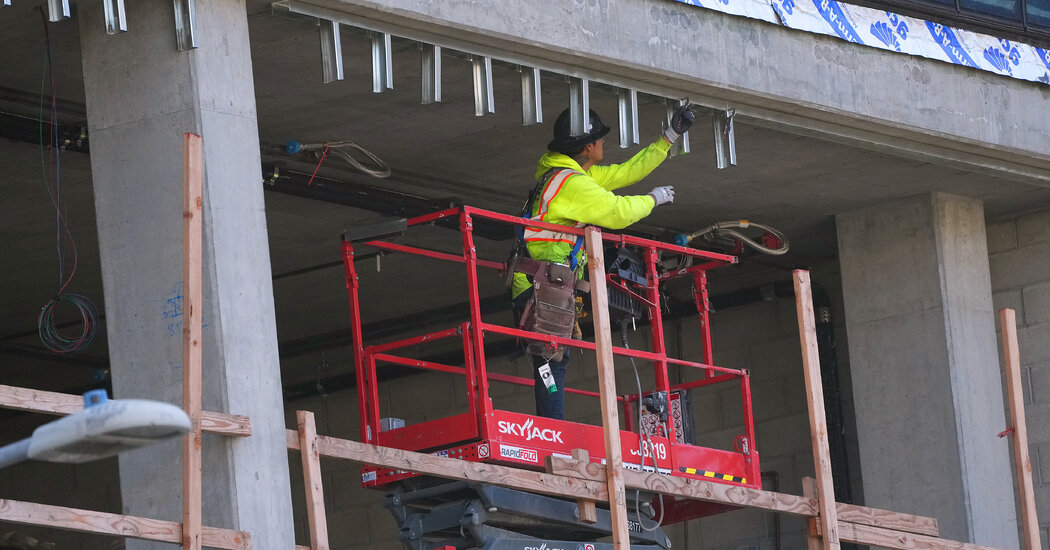
The Federal Reserve closely monitors job openings to understand whether the economy is running too hot. Since March 2022, the Fed has tried to fight inflation by raising interest rates to their highest level since 2001.
A soft landing is a combination of hitting an inflation target and not having a big spike in unemployment.
Job openings, which reached a record of more than 12 million in March 2022, have trended down, as has the job-quitting rate, while separations have been flat. As openings rose slightly in September, the number of openings per unemployed worker was flat, at 1.5, the same as August.
Julia Pollak is the chief economist at ZipRecruiter and she said that rate increases are making a difference in the labor market. ZipRecruiter’s latest survey of new employees found that the share of hires who received a pay increase, got a signing bonus or were recruited to their new jobs each fell.
“The Fed’s primary focus remains inflation,” said Sarah House, a senior economist at Wells Fargo. They are analyzing the economy through the lens of what that means for the path of inflation.
Wage growth grew faster than expected during the summer and the economy grew in the third quarter. The yield on the 10-year U.S. Treasury bond, a key measure of long-term borrowing costs that undergirds nearly everything in the economy, has reached its highest level since 2007 as the outlook for growth has improved.
An important few days in economic news started with the Wednesday morning report. October’s jobs report will be released on Friday, after Fed officials meet to decide whether to raise rates.
According to a survey of economists, there is expected to be 180,000 additions to payrolls, down from 336,000 in September. The unemployment rate is expected to tick up to 3.9 percent, after holding steady at 3.8 percent in September.