
The Biden-Trump era: What is left of the United States? How the U.S. electric vehicle sector is affected by tariffs and subsidies
The Biden administration announced much higher tariffs today on key goods from China that the US will need to meet its climate goals. The move focuses on transportation, clean energy technologies, and more.
The White House says “strategic” hikes, paired with massive subsidies previously passed by Congress, can help build a U.S.-based supply chain for green energy.
When he was in the White House, Trump made tariffs on China a signature policy move. Some Democrats warned that American consumers would pay the price and that this could hurt the economy.
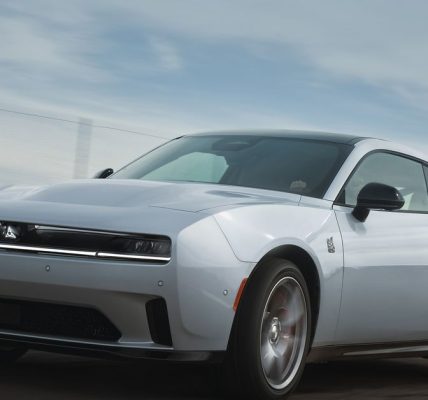
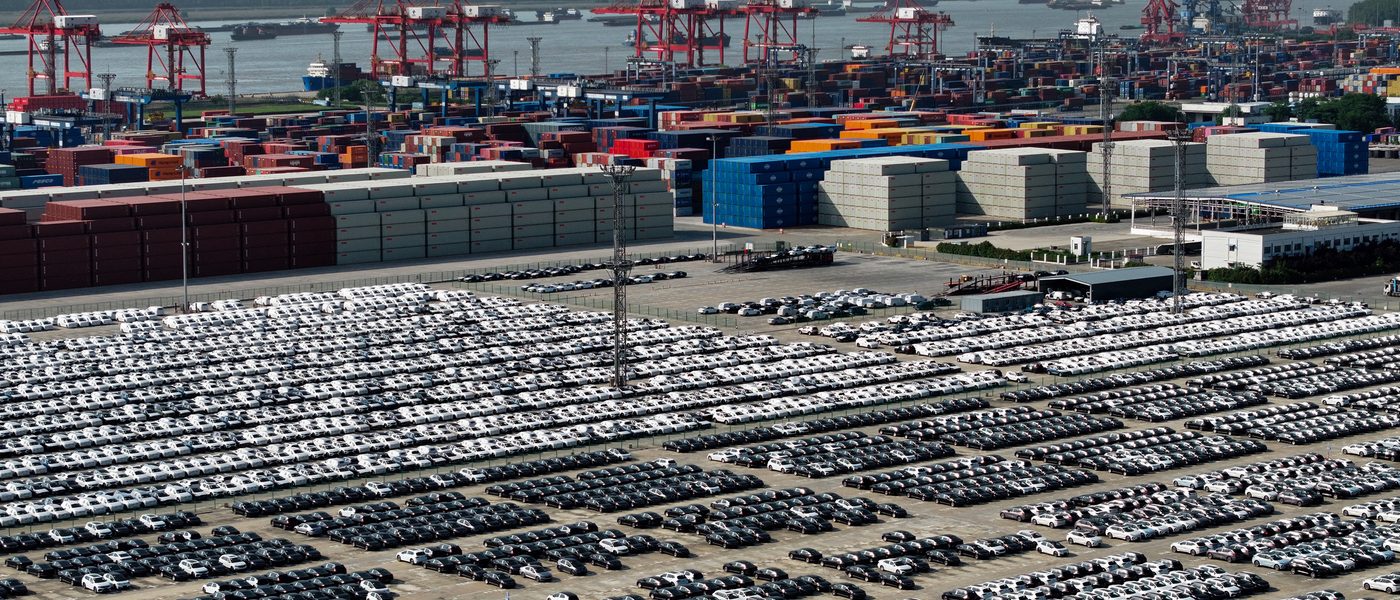
It is only sold for $10,000 in China. Smaller sizes, innovative designs and efficient business practices help keep the prices of Chinese autos down. Exploitation of labor practices and huge government subsidies are some of the things that play a role.
Chinese electric vehicles from makers like BYD aren’t just cheap — they’re also good. Sue Helper, who was a Biden official and recently took a BYD Seagull for a test ride, said the car was “impressive and cute.”
White House economist Lael Brainard said that if those cars were sold in the US at a cheap price, it would be counter-revolutionary and result in lost manufacturing jobs.
Biden has a vision of a world-leading made in America EV supply chain, but not everyone agrees with it. The oil industry and Trump are vocal critics.
The two goals can be hard to achieve. The consumer tax credits for electric vehicles, for example, come with a long list of restrictions designed to nudge auto companies toward U.S. suppliers. That means fewer vehicles are eligible. The companies have begun shifting their supply chains. The tariffs are meant to buy U.S. industry more time to make the transition.
Both Democrats and Republicans advocated for free trade many years back, railing against trade barriers as an obstacle to prosperity and the government’s support for specific industries ascrony capitalism. bipartisan support for tariffs is still alive. Subsidies for certain types of manufacturing are more commonly (and approvingly) called industrial policy.
In some respects, Trump’s policy toward China is now Biden’s policy toward China. But there are differences, as the two presidential candidates themselves point out.
As he pushes to implement three pieces of legislation with hundreds of billions of subsidies to boost domestic manufacturing and clean energy sectors, Biden is facing an election where trade and jobs could again be a point of contention.
“We know China’s unfair practices have harmed communities in Michigan and Pennsylvania and around the country that are now having the opportunity to come back due to President Biden’s investment agenda,” Lael Brainard, Biden’s top economic adviser, told reporters.
“One of the challenges is once tariffs have been imposed, it is quite difficult politically to reduce them — because the affected industry tends to get used to them, like them, operate with them as baked into their plans,” said Michael Froman, who was U.S. Trade Representative during the Obama administration.
The White House has downplayed the risk that the new tariffs could spark retaliation from China, saying that the issues have been discussed during meetings of top U.S. and Chinese officials, and were unlikely to come as a surprise.
It’s the latest move the US has taken amid efforts to ramp up domestic manufacturing while escalating trade tensions with China. The increased tariffs will affect around $18 billion a year in imports.
Higher tariffs on batteries, semiconductors, and critical minerals could also affect the US EV industry. The tariffs on battery parts will increase from this year. The increase in non-EV lithium batteries will take effect in 2026. The tariffs on China will double to 50 percent by the year 2025.
Solar manufacturers in theUS urged the Biden administration to impose tariffs on solar panels from four countries in Southeast Asia, after a Commerce Department investigation found Chinese companies were skirting tariffs by moving goods through other countries.
The US already blocks solar imports from China’s Xinjiang region, where roughly 40 percent of solar-grade polysilicon manufacturing takes place, over concerns about forced labor and human rights violations along the supply chain.
Can the US auto sector outcompete and out innovate anybody on the EV transition? The American auto lobbying group, Alliance for Automotive Innovation, and the Inflation Reduction Act
Meanwhile, the prospect of catastrophic global climate change hangs not only over the US auto industry, but the entire world. Motor and diesel fuel consumption in the US transportation sector accounted for nearly a third of the country’s energy-related carbon dioxide emissions last year, according to the US Energy Information Administration.
Does the effort work? In a written statement, John Bozzella, president and CEO of the US’s main auto lobbying group, the Alliance for Automotive Innovation, was sanguine: “US automakers can outcompete and out innovate anyone on the EV transition,” he said. “No doubt about that. The issue at this time is time, not the will.
Meanwhile, another influential US policy, the Inflation Reduction Act, directs billions to building up domestic supply chains for electric vehicles and other renewable energy sources. It could take many years to do those efforts.