
Expectations for Interest Rate Cuts and Inflation in the First Five-Year Meeting of the Federal Reserve and an Updated Outlook for the Next Fed Meeting
The Federal Reserve will make a fresh decision on interest rates on Wednesday, when the policy meeting ends, at a time when economic growth remains resilient and inflation has shown signs of stubbornness.
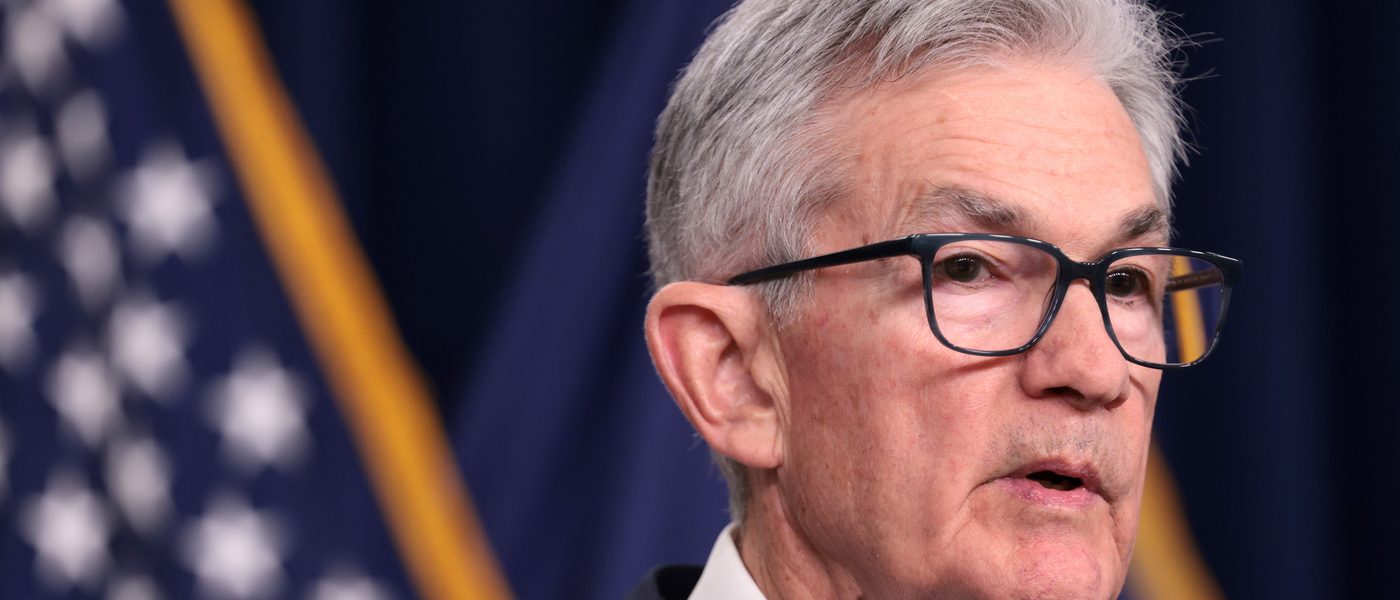
Central bankers are widely expected to leave interest rates unchanged. But investors will closely watch their new economic estimates and what Jerome H. Powell, the Fed chair, says at a news conference for hints at what might come next.
Some economists now expect the forecasts to point to two rate cuts in 2024, to a level of about 4.9 percent, rather than the three cuts that were previously expected.
Here is what to look for in the Fed’s policy statement and its economic projections, which come out at 2 p.m., along with the 2:30 p.m. news conference.
When the quarterly economic projections are released, it is possible that prices could go up a bit more quickly from the end of 2024 due to inflation staying power.
Arguably the most important part of the Fed meeting will be the 2:30 p.m. news conference with Mr. Powell. He has spoken publicly recently, giving two days of congressional testimony in early March, but his Wednesday comments will be closely watched for any updates to his thinking after the Fed’s latest policy debate.
Mr. Powell suggested that it would be appropriate for the Fed to lower interest rates when inflation was in line with the Fed’s expectations.
Mr. Powell is likely to repeat a message he has offered for months, which is that there are risks to cutting rates too early, and there are also risks to leaving rates high for too long.
“We’re trying to use our policies to keep that growth going, and to keep that labor market strong, while also achieving further progress on inflation,” Mr. Powell said during his testimony.
Fed officials have a project that they want to finish in March. They’ve communicated that they will have a discussion of their bond holdings at the meeting. Fed officials have been shrinking their balance sheet by allowing securities to expire without reinvestment, a process that takes a little bit of steam out of markets and the economy.
While inflation has cooled significantly over the last year, recent measures show prices are still climbing faster than the central bank would like. The Fed has kept its interest rates high to stop demand and bring prices under control, since last summer.
Committee members voted to keep the benchmark rate at between 5% and 5.5%. “The Committee does not expect it will be appropriate to reduce the target range until it has gained greater confidence that inflation is moving sustainably toward 2 percent,” the Fed said in a statement.
The economy is in good shape after high interest rates. The unemployment rate has remained below 4% for more than two years. Employers have added an average of 265,000 jobs in each of the last three months.
Higher interest rates have resulted in a decline in the housing market. Sales of existing homes fell 19% last year, dropping to their lowest level since 1995. Freddie Mac’s 30-year mortgage interest rate was 6.74% last week, down from a peak of 8% in October.
Retail sales have also slowed in recent months in a sign that some consumers are struggling with the combination of high prices and high borrowing costs. The Federal Reserve Bank of New York reports that credit card debt was over a trillion dollars last year and the number of card users behind on their payments has exceeded pre-pandemic levels.